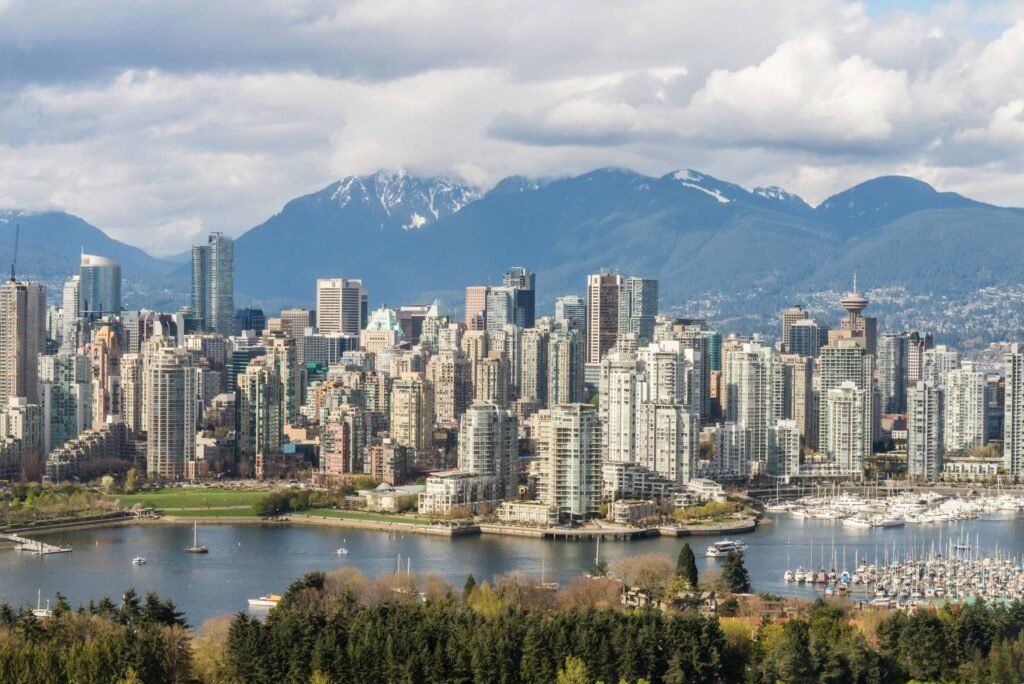
British Columbia winter travel offers a quieter, more immersive way to experience one of Canada’s most diverse regions. As coastal cities soften under misty skies and mountain peaks settle into snow, the pace slows just enough to invite deeper exploration. This is a season defined not by crowds, but by contrast: rainforest and skyline, ocean air and alpine calm, cultural depth and outdoor beauty.
For travelers who value atmosphere as much as activities, winter reveals the mainland at its most authentic. From Vancouver’s cultural institutions and walkable neighborhoods to Whistler’s alpine village energy and the rugged landscapes of the Interior, the colder months create space to explore thoughtfully, comfortably, and at your own rhythm.
Why Winter Is an Ideal Time to Explore the BC Mainland
In British Columbia, coastal temperatures are relatively mild, especially compared to the rest of Canada, making city exploration comfortable with proper layers. Rain is part of the season, particularly around Vancouver, but it is also what sustains the region’s lush temperate rainforest and dramatic waterfalls.
Winter travel comes with tangible advantages. Popular attractions are less crowded, accommodations often offer better value than peak summer months, and reservations at sought-after restaurants are easier to secure. The result is a more relaxed experience, one that allows travelers to connect with places and people without the pressure of peak-season tourism.
Vancouver: A City Designed for Winter Exploration
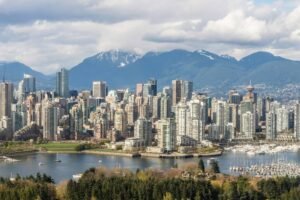
Vancouver stands out as one of North America’s most livable winter cities. Compact, well connected by public transit, and surrounded by nature, it allows visitors to move easily between cultural landmarks and outdoor experiences, often within the same day.
Museums, Galleries, and Indoor Culture
Winter is an excellent time to explore Vancouver’s cultural institutions. The city’s museums and galleries offer meaningful insight into local history, Indigenous cultures, and contemporary art, all without the crowds common in summer.
The Vancouver Aquarium, located within Stanley Park, focuses on marine conservation and Pacific ecosystems. Beyond its exhibits, it plays an active role in rescue and rehabilitation, making it both educational and ethically grounded.
Art lovers will appreciate the Vancouver Art Gallery in the heart of downtown, which features rotating exhibitions alongside a strong collection of Canadian and Indigenous works. Smaller galleries throughout neighborhoods like Gastown and Mount Pleasant add depth to the city’s creative scene.
Green Spaces That Shine in the Rain
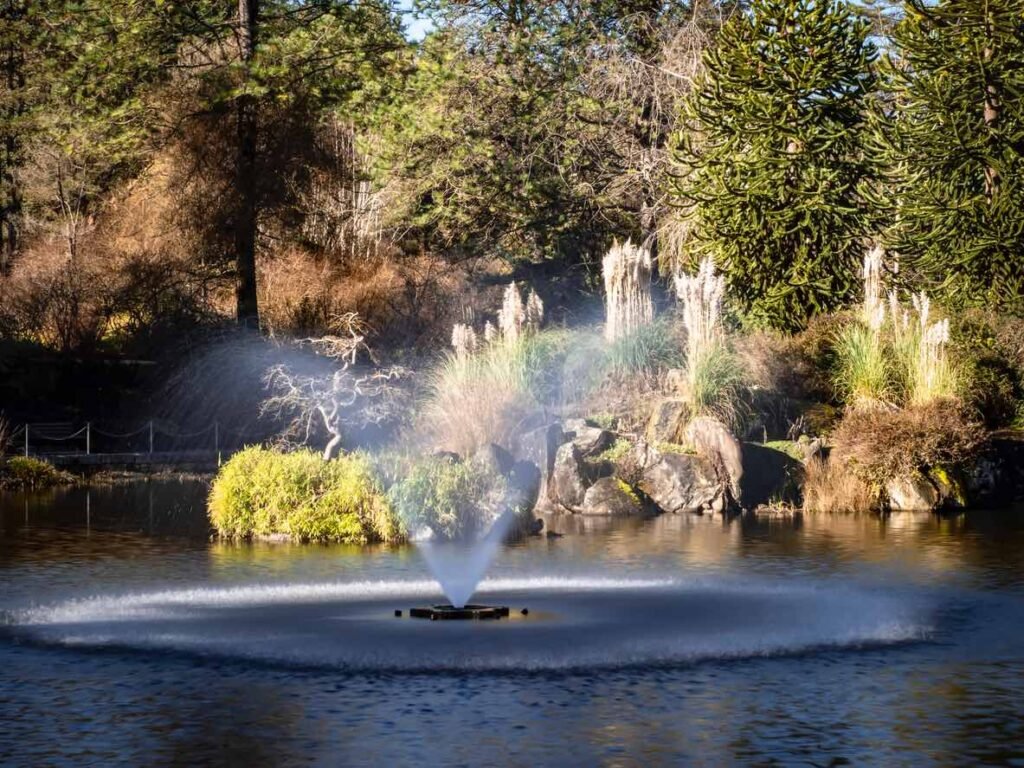
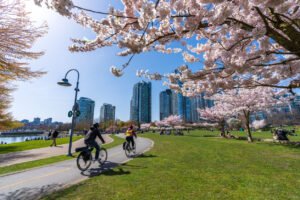
Stanley Park remains a highlight year-round. In winter, its seawall and forested trails feel more intimate, with mist drifting between towering trees and fewer cyclists competing for space. Even a short walk reveals how closely nature and city life coexist here.
VanDusen Botanical Garden offers a different perspective in winter. Without summer blooms, attention shifts to structure, evergreens, and quiet pathways. The garden’s design becomes more apparent, and its peaceful atmosphere makes it ideal for reflective walks.
Elevated Views and Nearby Mountains
Just north of downtown, Vancouver’s local mountains provide easy access to alpine scenery without requiring a full ski trip. Grouse Mountain, reachable by transit and gondola, offers panoramic views over the city and coastline. Visitors can enjoy the scenery, dine at altitude, or simply experience the shift from urban streets to snow-dusted peaks in under an hour.
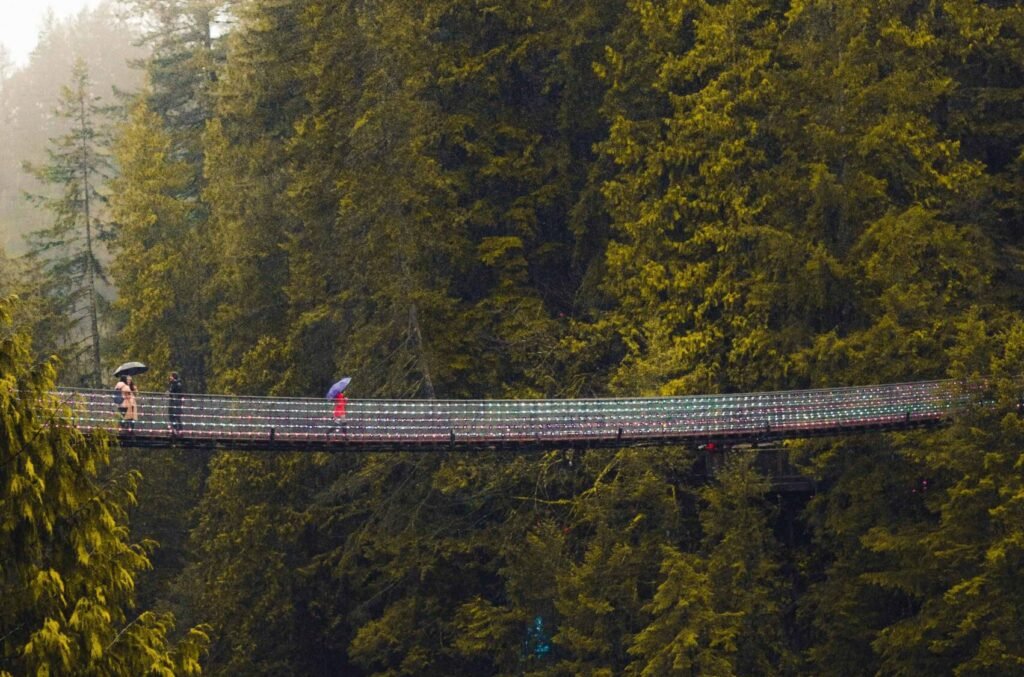
Capilano Suspension Bridge Park delivers a dramatic rainforest experience at any time of year. In winter, fog and rainfall heighten the sense of scale, making the canyon and surrounding forest feel even more atmospheric. Elevated walkways and cliffside paths offer perspectives that remain memorable long after the visit.
Getting Around Vancouver in Winter
Vancouver’s public transportation system functions reliably year-round. SkyTrain lines connect the airport, downtown, and surrounding neighborhoods, while buses serve mountain attractions and residential areas. For visitors, this eliminates the need for a car and makes winter travel straightforward, even in wet conditions.
Whistler: Alpine Energy Beyond Skiing
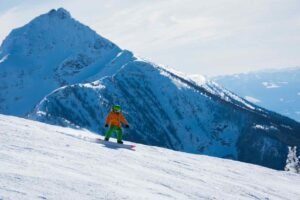
Whistler is often associated with skiing, but its appeal in winter extends far beyond the slopes. The pedestrian village, framed by dramatic peaks, offers a blend of outdoor adventure, wellness, dining, and culture that works equally well for non-skiers.
Scenic Experiences Without Equipment
The Peak 2 Peak Gondola connects Whistler and Blackcomb mountains, offering sweeping views of alpine terrain and forests below. Even for those who never clip into skis, the gondola ride alone provides one of the most striking perspectives in the region.
Snowshoeing and winter walking trails around areas such as Lost Lake offer quieter alternatives to downhill sports. These routes allow visitors to move through snowy landscapes at a relaxed pace, surrounded by silence broken only by wind and footsteps. Guided snowshoe experiences offered by Canadian Wilderness Adventures provide additional context on local ecology and winter conditions, while services such as Black Tie Ski Rentals make access to appropriate winter equipment convenient for those who prefer not to travel with their own gear.
Wellness and Relaxation
Whistler’s reputation as an adventure destination is balanced by its strong wellness offerings. The Scandinave Spa, set in a forested environment, focuses on hot and cold therapy inspired by Nordic traditions. The experience emphasizes calm, simplicity, and immersion in nature, a welcome contrast to high-energy resort activity.
Village Life in Winter
Whistler Village remains lively throughout the season. Fireside lounges, cafés, and restaurants create warm gathering spaces, while the absence of summer crowds allows for a more relaxed atmosphere. Dining options range from casual comfort food to refined mountain cuisine, making evenings just as memorable as daytime exploration.
Interior British Columbia: Quiet Landscapes and Mountain Towns
Beyond the coastal corridor, Interior British Columbia offers a distinctly different winter experience. This is a region defined by distance, dramatic landscapes, and smaller communities, where winter emphasizes stillness rather than spectacle.
The Kootenays and Rocky Mountain Trench
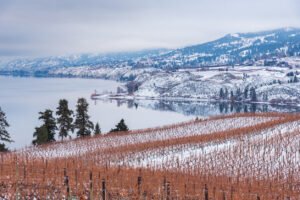
Towns such as Golden and communities throughout the Kootenays sit amid some of the province’s most striking mountain scenery. In winter, frozen rivers, snow-covered peaks, and open valleys create a sense of scale that feels almost cinematic.
Rather than structured attractions, the appeal here lies in atmosphere. Scenic drives, short winter walks, and time spent in locally owned lodges or cafés define the experience. It is well suited to travelers seeking solitude, photography opportunities, or a slower pace.
Practical Tips for Winter Travel on the Mainland
Pack for Layers: Coastal winters require waterproof outerwear, while mountain areas demand insulation and traction-friendly footwear. Dressing in layers allows flexibility across changing conditions.
Plan for Shorter Days: Winter daylight hours are shorter, particularly in January and February. Scheduling outdoor activities earlier in the day ensures better visibility and comfort.
Book Select Experiences Ahead: While crowds are smaller, popular attractions and spas still benefit from advance booking, especially on weekends.
Embrace Weather Flexibility: Rain and cloud cover are part of the coastal experience. Rather than avoiding them, plan a mix of indoor and outdoor activities to keep your itinerary balanced.
Why the BC Mainland Shines in Winter
Winter reveals a version of British Columbia’s mainland that feels more personal and grounded. Without peak-season pressure, cities feel more livable, nature feels closer, and experiences unfold at a human pace.
You may find yourself lingering longer in museums, enjoying conversations with locals, or noticing small details that summer’s rush often obscures. Cafés become refuges, forest trails feel almost private, and viewpoints reward patience rather than timing.
Planning Your British Columbia Winter Travel Adventure
Whether you focus on Vancouver’s cultural depth, Whistler’s alpine charm, or the Interior’s quiet grandeur, the British Columbia mainland offers winter experiences shaped by contrast and authenticity.
This is a season for travelers who appreciate nuance: mist instead of crowds, atmosphere instead of spectacle, and discovery without distraction. Winter does not diminish the mainland. It clarifies it.
The mountains remain, the cities thrive, and the landscapes feel more alive than ever. Winter on the British Columbia mainland is not a compromise. It is an invitation.
Plan your British Columbia adventures → here
Connect With Us
- Website: BritishColumbia.com
- Facebook: @BritishColumbiaDotCom
- Instagram: @britishcolumbiadotcom
- X (Twitter): @visitBCdotcom
- Email: info@britishcolumbia.com