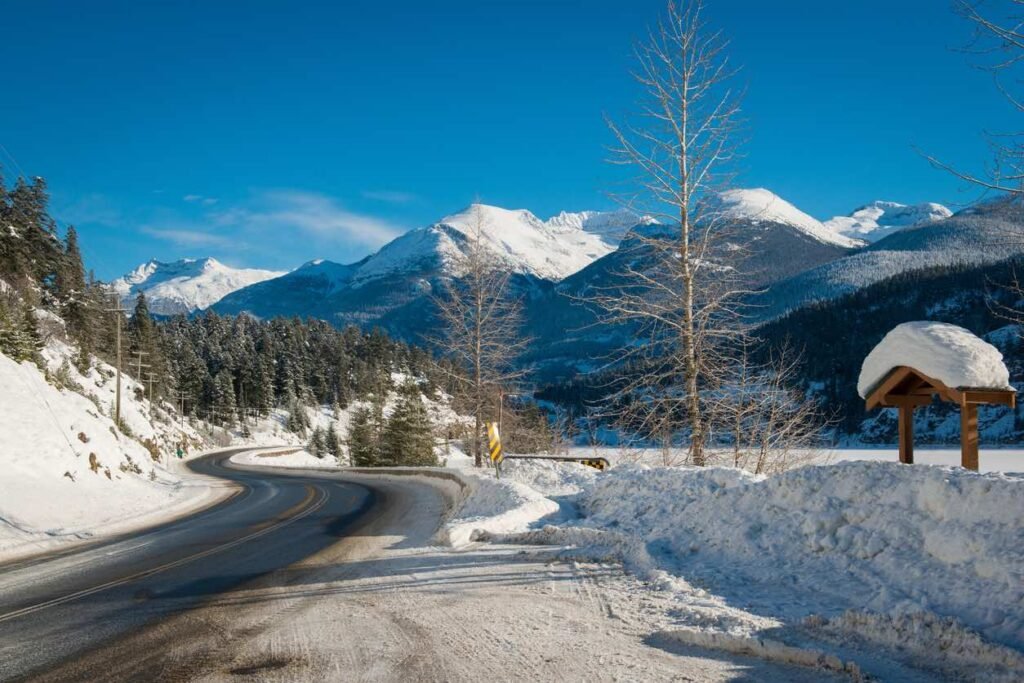
The Sea-to-Sky Highway in winter offers one of Canada’s most spectacular drives, revealing a quieter, more atmospheric side of British Columbia. Stretching from Vancouver to Whistler, the route winds along fjord-like waters, past towering granite walls, cascading waterfalls, and coastal forests dusted with snow. While summer showcases the region’s grandeur, winter invites travelers to slow down, explore more deeply, and experience the Sea-to-Sky Corridor as a sequence of immersive destinations rather than a drive-through attraction.
Early February is an ideal time to explore the corridor. Holiday crowds have faded, daylight hours are beginning to lengthen, and winter conditions heighten the drama of the landscape. Whether stopping in Squamish, exploring historic sites, or riding gondolas high above Howe Sound, the Sea-to-Sky route offers a compelling mix of nature, culture, and adventure.
Why the Sea-to-Sky Highway in Winter Transforms the Experience
Winter brings a sense of scale and stillness to the Sea-to-Sky Corridor that is difficult to find at any other time of year. Snow highlights the contours of mountains, waterfalls surge with seasonal runoff, and mist often clings to cliffs above the ocean. Traffic is lighter, viewpoints are uncrowded, and the pace feels intentionally slower.
This is a season well-suited to travelers who appreciate contrast, between sea-level coastal air and alpine environments just minutes away, between dramatic outdoor experiences and warm indoor refuges. Winter also allows for greater flexibility, with easier access to restaurants, attractions, and accommodations that are often booked solid during peak summer months.
Britannia Mine Museum: History Beneath the Mountains
Between Squamish and Vancouver, the Britannia Mine Museum offers an indoor-focused experience that complements the corridor’s outdoor highlights. Once one of the largest copper mines in the British Empire, Britannia tells the story of industrial ambition, innovation, and community life along the coast.
Winter is an excellent time to visit the museum, as the underground mine tour and interactive exhibits provide a warm and engaging break from the elements. Visitors can explore the restored mill building, learn about mining technology, and gain insight into the lives of the workers and families who shaped the region.
The museum’s location along Howe Sound also offers scenic views, and winter light often enhances the stark contrast between industrial structures and the surrounding natural landscape.
Shannon Falls: A Must-See on the Sea-to-Sky Highway in Winter
Shannon Falls Provincial Park is one of the most accessible and rewarding stops along the Sea-to-Sky Highway, particularly in winter. Fed by snowmelt and seasonal rainfall, the falls are often at their most powerful during colder months.
A short, well-maintained trail leads from the parking area to viewing platforms where visitors can feel the mist rising from the cascading water. In winter, ice formations may appear along the rock face, creating striking patterns without diminishing the force of the falls themselves.
The surrounding forest, darkened by rain and framed by snow-dusted cliffs, adds to the sense of drama. Shannon Falls is an ideal stop for travelers seeking a high-impact experience without committing to a long hike.
Sea-to-Sky Gondola: Winter Views Above Howe Sound
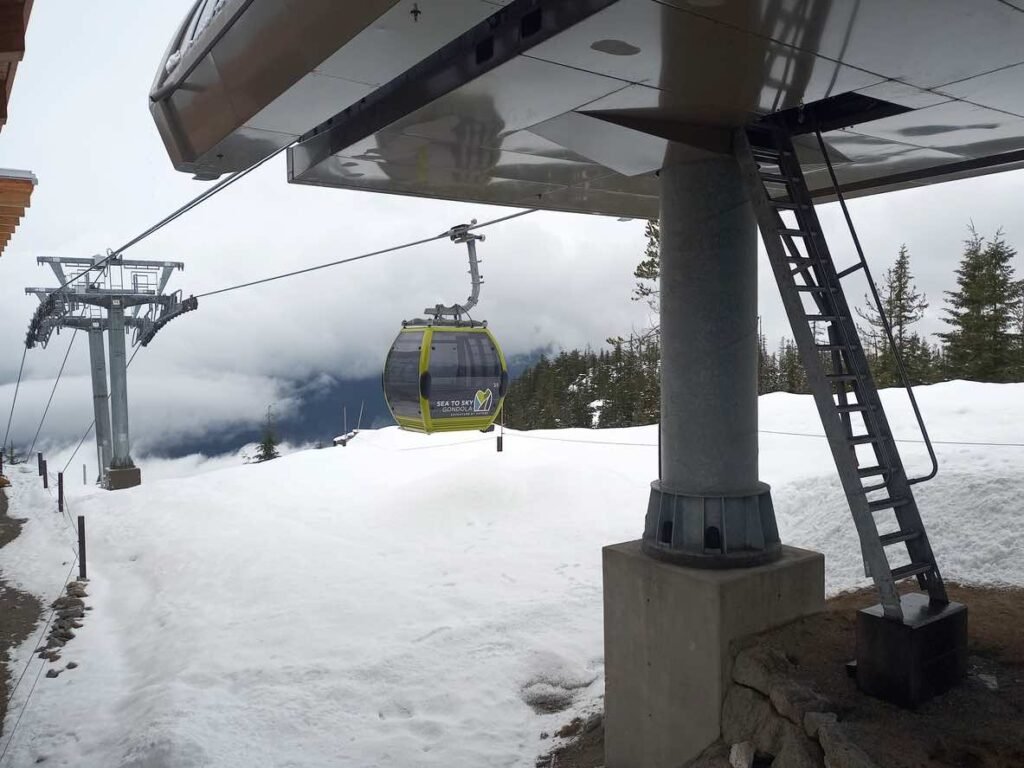
One of the corridor’s most memorable experiences, the Sea-to-Sky Gondola offers a perspective that feels especially striking in winter. The gondola rises from near sea level to panoramic viewpoints high above Howe Sound, revealing snow-capped peaks, frozen forest canopies, and deep blue water below.
At the summit, well-maintained walking trails, viewing platforms, and suspension bridges allow visitors to explore safely and comfortably even in colder conditions. Snow often blankets the upper trails, adding a distinctly alpine feel without requiring technical winter skills. The summit lodge provides a warm place to pause, enjoy a hot drink, and take in the scenery through floor-to-ceiling windows.
Clear winter days reward visitors with expansive views, while cloudier conditions lend the experience a moody, coastal atmosphere. Both are equally memorable, and the gondola operates year-round, weather permitting. Descending back toward the valley floor, the experience shifts from expansive views to quieter, ground-level exploration.
Squamish Canyon Walk: A Quiet Winter Immersion
For travelers looking to experience Squamish beyond its headline viewpoints, the Squamish Canyon Walk offers a quieter, more intimate encounter with the landscape. Following the Squamish River through forested canyon terrain, the trail reveals a side of the region shaped by water, rock, and seasonal stillness.
In winter, the canyon feels especially atmospheric. Moss-covered rock walls darken with moisture, the river moves swiftly below, and light filters softly through bare branches and evergreen canopy. Snow occasionally dusts the trail, adding contrast without significantly increasing difficulty, making this walk accessible to a wide range of visitors.
The Canyon Walk is about immersion. It rewards slower pacing and close observation, offering moments of calm between larger, more elevated experiences along the corridor. For those seeking balance between adventure and reflection, it provides a grounding pause before continuing north into Squamish.
Squamish: Winter Adventure at the Heart of the Corridor
Squamish sits at the geographical and experiential heart of the Sea-to-Sky Corridor. While best known for summer climbing and hiking, winter reveals a different side of the town, one that blends adventure with accessibility.
Winter climbing in Squamish remains a draw for experienced climbers, particularly during dry spells when granite faces remain climbable despite colder temperatures. The surrounding forests and crags create a dramatic setting, even for visitors who prefer to admire the activity rather than participate. Nearby trails such as the Squamish Estuary and Smoke Bluffs offer gentler winter walks with sweeping views of Howe Sound and the surrounding peaks.
The town itself is lively year-round, with cafés, breweries, and local shops providing a welcoming base. Winter is an excellent time to explore Squamish at a relaxed pace, enjoying its strong sense of community and its proximity to both ocean and mountains.
Winter Wildlife and Natural Encounters
The Sea-to-Sky Corridor remains active in winter, both environmentally and ecologically. Bald eagles are commonly seen along the coast and near rivers, particularly during salmon runs. Seals and sea lions may be visible from pullouts along Howe Sound, while forested areas support a range of birdlife year-round.
Winter’s quieter conditions often make wildlife easier to spot, especially during early morning or late afternoon. Observing from designated viewpoints and respecting natural habitats ensures these encounters remain safe and sustainable.
Driving the Corridor in Winter: Practical Considerations
The Sea-to-Sky Highway is well-maintained throughout the winter season, but conditions can change quickly. Checking road and weather reports before departure is essential, particularly during periods of snowfall at higher elevations.
Winter tires are required on British Columbia highways during the winter season, and travelers should allow extra time for stops, changing conditions, and spontaneous detours. Fortunately, winter driving often comes with the reward of uncrowded viewpoints and a more relaxed pace.
Pullouts and scenic viewpoints along the route offer frequent opportunities to stop, photograph, and simply absorb the landscape. In winter, even familiar stops feel renewed, shaped by light, snow, and weather.
Where to Warm Up Along the Way
One of the pleasures of winter travel along the Sea-to-Sky Corridor is the balance between outdoor exploration and indoor comfort. Squamish and the surrounding area offer a range of cafés, bakeries, and restaurants well-suited to winter days.
Local breweries and casual dining spots provide inviting places to warm up, reflect on the day’s highlights, and plan the next stop. Winter menus often lean toward hearty, comforting dishes that pair naturally with active days outdoors.
Accommodation options along the corridor also shift in winter, with more availability and attractive seasonal rates. Properties offering fireplaces, mountain views, or easy access to trails become especially appealing during this time of year.
Why Early February Is an Ideal Time to Go
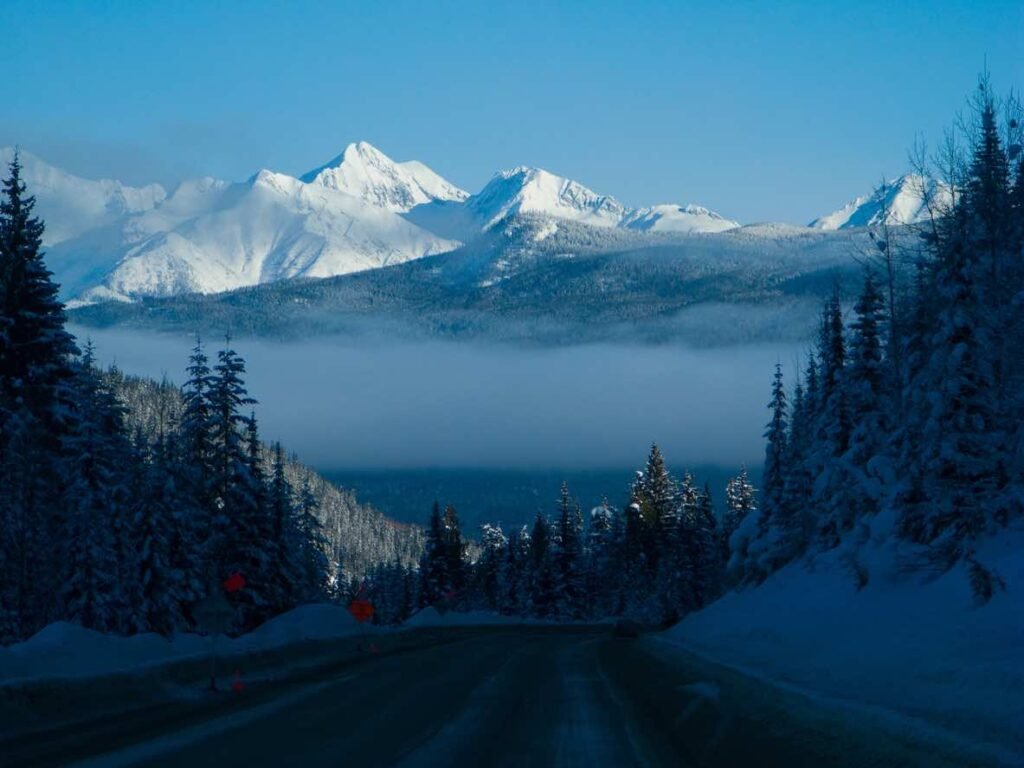
By early February, the Sea-to-Sky Corridor has settled into its winter rhythm. Attractions operate on regular schedules, snow enhances the scenery without overwhelming accessibility, and the absence of peak-season crowds allows for more personal, unhurried experiences.
This is a time when the corridor feels authentic and balanced, adventurous without being hectic, scenic without being staged. Travelers willing to embrace winter conditions are rewarded with depth, atmosphere, and a stronger sense of place.
The Sea-to-Sky Corridor in winter is not simply a route between destinations. It is a journey shaped by changing landscapes, layered history, and moments of quiet awe. From the granite walls of Squamish to the elevated views above Howe Sound, winter transforms this iconic drive into an experience defined by contrast, clarity, and connection.
For those seeking a winter journey that blends nature, culture, and understated adventure, the Sea-to-Sky Corridor delivers, beautifully, and at its own unhurried pace.
Plan your British Columbia adventures → here
Connect With Us
- Website: BritishColumbia.com
- Facebook: @BritishColumbiaDotCom
- Instagram: @britishcolumbiadotcom
- X (Twitter): @visitBCdotcom
- Email: info@britishcolumbia.com