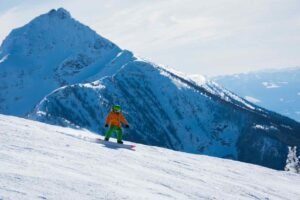
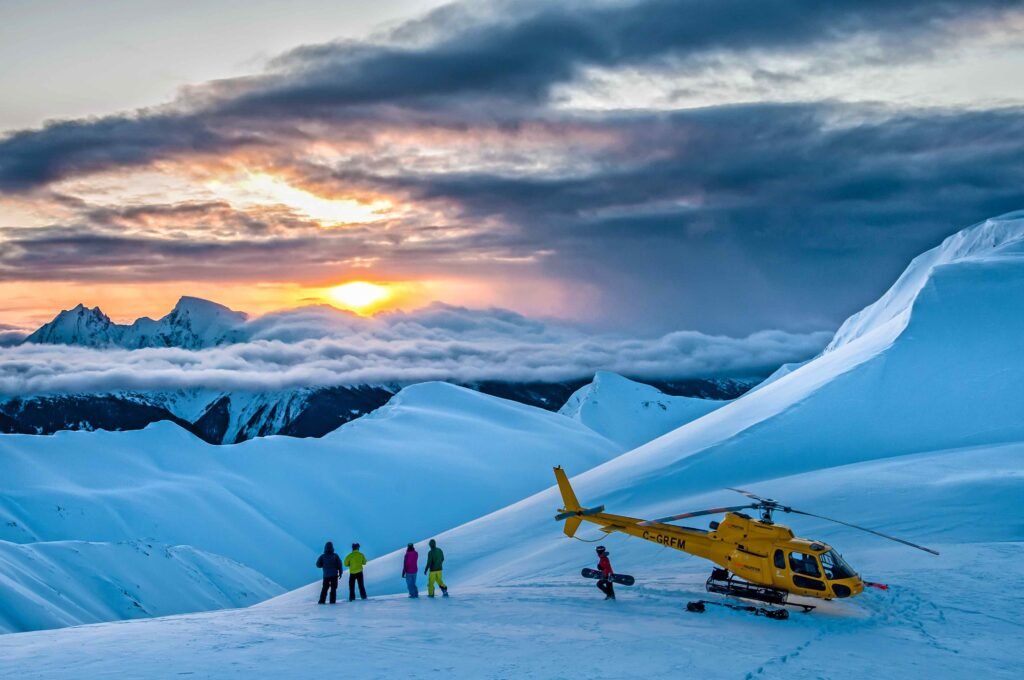
Skiing Northern British Columbia offers some of the most spectacular terrain in the world. When most travelers think of British Columbia skiing, Whistler immediately comes to mind. But venture north, way north, toward the Alaska border, and you’ll discover a winter wonderland that remains blissfully uncrowded and authentically wild.
It stretches across a vast wilderness where the Coast Mountains meet the northern Rockies, creating an amphitheater of peaks that collect legendary snowfall. The region’s northern latitude produces consistent snow and cold temperatures, creating excellent powder conditions in many areas.
The distances here are vast, the temperatures can be frigid, but the rewards are extraordinary. You’ll find terrain that ranges from perfectly groomed resort runs to helicopter-accessed peaks where you might be the only person carving turns all day. This is skiing for those who want more than just a mountain, it’s for those seeking an adventure.
Resort Skiing: Powder King Mountain Resort
When it comes to lift-served skiing in the far north, Powder King Mountain Resort near Mackenzie stands as the region’s crown jewel. Don’t let the remote location fool you, this hidden gem delivers exactly what its name promises.
Located approximately 70 kilometers away from Mackenzie (itself about 195 kilometers north of Prince George), Powder King sits at the perfect latitude and elevation to capture consistent snowfall throughout the winter. The resort averages over 12 meters of snow annually.
What makes Powder King special isn’t just the snow quantity, it’s the variety of terrain. The resort offers 925 acres of skiable terrain across 37 runs, served by three lifts: a triple chair, a T-bar, and a handle tow for beginners. The vertical drop of 640 meters might seem modest compared to mega-resorts, but the consistently deep snow and varied terrain more than compensate. You’ll find everything from gentle cruisers perfect for warming up to tight tree runs and wide-open bowls.
The vibe at Powder King is refreshingly unpretentious. This isn’t a resort where you’ll wait in lift lines or jockey for fresh tracks. Many skiers report minimal lift-line crowds and long-lasting powder stashes. The mountain operates Thursday through Sunday, which helps keep the crowds minimal and the powder fresh.
The base lodge keeps things simple with hearty food, cold drinks, and that authentic ski-town atmosphere that’s becoming rare at larger resorts. For accommodations, Powder King offers slope-side lodging at the mountain, though many visitors also base themselves in Mackenzie or even Prince George, making the scenic drive north for day trips.
Backcountry Skiing: Guided Tours in the Northern Wilderness
If you’re an experienced skier looking to step beyond the resort boundaries, Northern BC’s backcountry offers terrain that will occupy your dreams for years to come. However, venturing into this wilderness requires knowledge, equipment, and ideally, professional guidance.
Hyland Backcountry Services, an ACMG-certified operator based in Smithers, provides guided ski touring, avalanche education, and multi-day trips throughout the northern Coast Mountains and the Skeena ranges. Their guides monitor the snowpack daily, navigate safely through avalanche-prone terrain, and lead groups into remote zones most skiers never access independently.
Guided trips range from single-day tours to multi-day backcountry hut experiences, where participants earn their turns, travel through deep wilderness, and enjoy the stillness that defines the northern alpine environment. Terrain varies by region: coastal zones feature glacier-draped peaks and long tree-lined descents, while inland areas toward the northern Rockies offer more open alpine bowls, dramatic ridgelines, and couloirs.
Most guided operations require intermediate to advanced downhill ability, strong physical fitness, and ideally some prior backcountry experience. Guides typically supply avalanche safety equipment, beacons, probes, and shovels, and provide instruction as part of each outing, although having personal gear and formal avalanche training is considered an advantage.
Popular areas for guided ski touring include the terrain surrounding Smithers, the Skeena Mountains, and remote ranges accessible from Stewart and Terrace. The season generally runs from December through April, with March and April often offering the most stable snowpack and longer daylight hours, though early season tours are already happening now as the base builds toward peak depth.
Heli-Skiing: The Ultimate Northern BC Experience
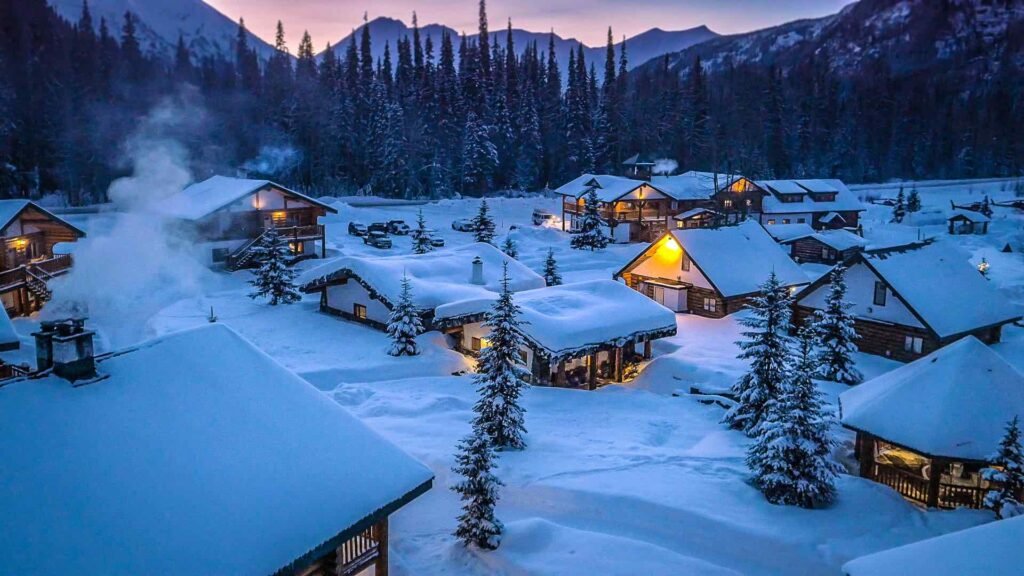
If there’s one skiing experience that defines Northern British Columbia, it’s helicopter skiing. The region is home to some of the world’s premier heli-ski operations, offering access to terrain that would otherwise take days of hiking to reach.
Last Frontier Heliskiing, operating deep in the Coast and Skeena Mountains, holds the distinction of having the world’s largest single heli-ski tenure at 10,100 square kilometers, roughly four times the size of the average BC heli-ski operation. This massive terrain provides extraordinary flexibility and variety, with over 1,200 named runs, some reaching 2,000 vertical meters from top to bottom.
What sets Last Frontier apart is their commitment to small-group skiing and diverse terrain access. With groups limited to just 4 skiers per guide, you’ll experience minimal wait times between runs and more personalized attention. The operation runs from two distinct lodge locations, Bell 2 Lodge, a remote off-grid facility built specifically for heli-skiing located 340 kilometers northwest of Terrace, and Ripley Creek Inn in the historic mining town of Stewart, located 310 kilometers northwest of Terrace and just 3 kilometers from Hyder, Alaska. This dual-lodge system, connected by road through the middle of their tenure, gives guides maximum flexibility to chase the best snow conditions and minimize weather-related down days.
The terrain diversity is exceptional. You’ll find everything from massive glaciated alpine bowls and steep spine lines to sprawling old-growth forest runs with perfect tree spacing. The northern latitude and cold temperatures preserve snow quality throughout the season, with annual snowfall averaging 15-25 meters of champagne powder. Whether you’re looking for wide-open glacier runs or technical tree skiing, Last Frontier’s enormous terrain offers seemingly endless options.
Peak season for heli-skiing runs from mid-December through mid-April, with the prime storm-cycle powder window typically occurring from late December through late January. The 2026 season is mostly sold out, so early booking is essential for prime winter dates.
Planning Your Northern BC Ski Adventure
Getting There
Most northern ski adventures begin with a flight into Prince George, Smithers or Terrace, which has regular connections to Vancouver. From Prince George, you’ll either rent a vehicle for the drive north or arrange transportation through your ski operator. If you’re heading to operations near Smithers or Terrace, you can also fly directly to Smithers Regional Airport or Terrace (YXT).
Winter driving in Northern BC demands respect. Ensure your rental vehicle has winter tires (legally required from October to March), carry emergency supplies, and check road conditions before departing. Highway 97 north from Prince George is well-maintained but can experience challenging conditions during storms.
When to Go
The ski season in Northern BC generally runs from late November through April, with each period offering different advantages:
December through February (Peak Powder Season): The deepest snowfall months with legendary powder conditions, but also the shortest days and coldest temperatures, mornings of -20°C are common. Perfect for powder enthusiasts who don’t mind the cold. This is prime time, happening right now, with heli-ski operations running at full capacity and resorts reporting excellent conditions.
March: Often the sweet spot, with deep snowpack, increasingly stable avalanche conditions, and longer days. Temperatures moderate slightly, making for more comfortable touring. Excellent for both resort and backcountry skiing.
April: Spring conditions arrive, with corn snow developing on sunny aspects. Warmer weather and strong sun make this excellent for backcountry touring. Some resort operations wind down, but heli-skiing continues through mid-April with access to high-elevation terrain.
What to Pack
Northern BC’s cold temperatures and deep snow require appropriate gear:
- Base layers: Merino wool or quality synthetic materials
- Insulated jacket and pants: Go warmer than you think, temperatures regularly reach -20°C
- Face protection: Balaclavas, neck gaiters, and goggles are essential, not optional
- Multiple gloves: Bring backups, wet gloves in extreme cold is dangerous
- Wide powder skis: 110mm+ underfoot will make deep days much more enjoyable
- Avalanche safety equipment: Beacon, probe, shovel (mandatory if backcountry skiing)
Safety Considerations
The northern wilderness is beautiful but unforgiving. Always:
- Check avalanche forecasts before backcountry travel
- Tell someone your plans and expected return time
- Carry emergency supplies in your vehicle
- Respect weather warnings and road closures
- Consider hiring guides if you’re unfamiliar with the area
Beyond the Slopes
While skiing is the main attraction, Northern BC offers other winter experiences worth exploring. The same snow that makes for great skiing creates perfect conditions for snowmobiling, cross-country skiing, and winter wildlife viewing. The northern lights frequently dance across the sky in this region, especially on clear, cold nights far from city lights.
Small communities like Mackenzie, Smithers, and Terrace offer authentic northern hospitality, with local restaurants serving hearty food and friendly locals happy to share stories about their favorite ski zones.
The Northern BC Difference
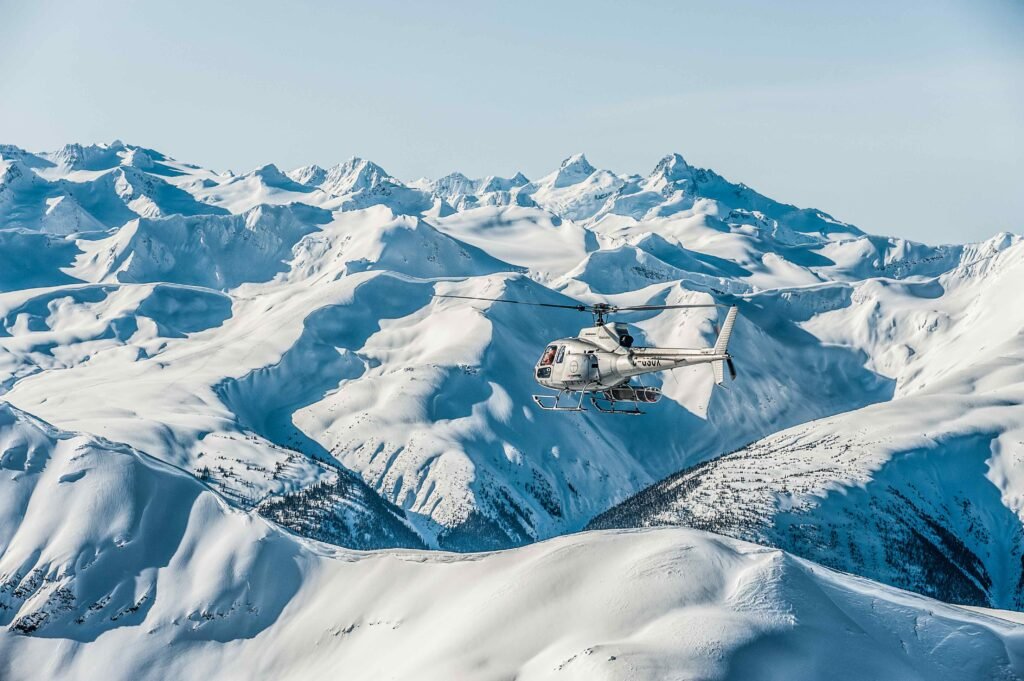
Northern BC skiing isn’t just about deep snow or dramatic peaks, it’s about space and adventure. Powder King, backcountry guides, and Last Frontier Heliskiing provide experiences in genuinely remote terrain.
The region’s far north latitude and Pacific storm tracks create deep, dry, reliable snowpacks. Crowds remain small, letting skiers enjoy long-lasting powder stashes compared with more accessible resorts.
Plan your Northern British Columbia adventure → britishcolumbia.com/plan-your-trip
Connect With Us
- Website: BritishColumbia.com
- Facebook: @BritishColumbiaDotCom
- Instagram: @britishcolumbiadotcom
- X (Twitter): @visitBCdotcom
- Email: info@britishcolumbia.com