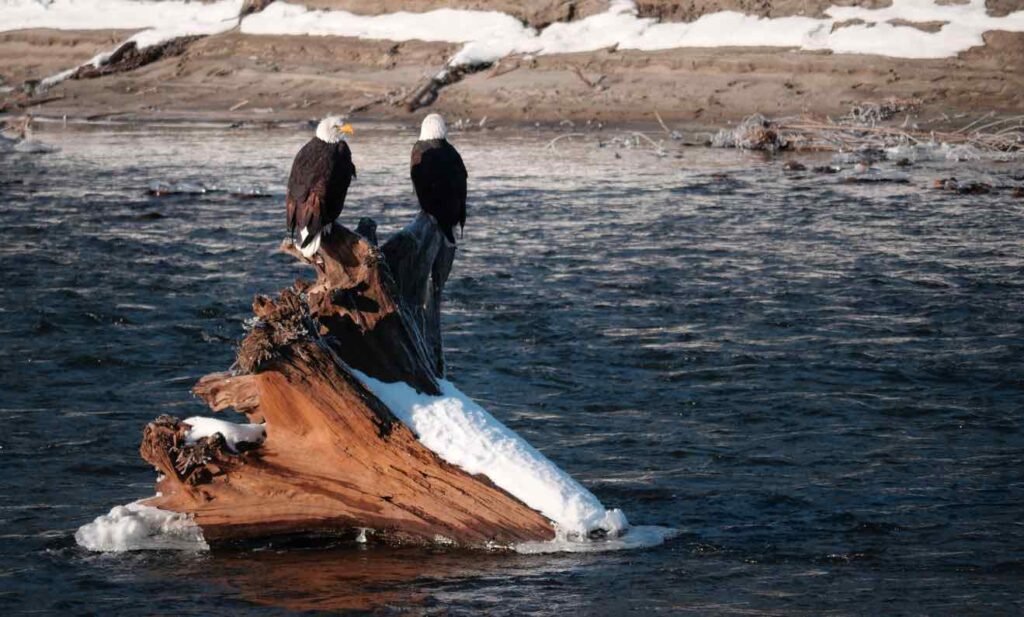
Winter wildlife in British Columbia makes Martin Luther King Jr. Day weekend one of the most overlooked opportunities to explore the province in 2026. This US long weekend for our American friends, creates space for a winter escape that aligns perfectly with some of the province’s most compelling seasonal wildlife moments.
January in British Columbia is not a quiet season for nature. Bald eagles gather along salmon rivers, migratory birds fill coastal wetlands, and the earliest phase of the grey whale migration begins along the Pacific coast. Combined with fewer crowds, dramatic winter scenery, and crisp coastal air, MLK weekend is an ideal time to experience British Columbia through a wildlife-focused lens.
Whether you’re planning a short getaway from Vancouver or building a multi-day winter itinerary, this guide highlights where to go, what to see, and how to plan a meaningful long weekend centered on winter wildlife in British Columbia.
Why MLK Weekend Is Ideal for Winter Wildlife in British Columbia
Mid-January is a period of concentration in nature. Food sources are limited, which means wildlife activity is more focused and often easier to observe, especially along rivers, estuaries, and protected wetlands.
MLK weekend is particularly appealing because it offers:
- Strong conditions for bald eagle viewing
- Excellent winter birding in coastal and delta ecosystems
- The early start of grey whale migration
- Fewer visitors compared to peak holiday periods
- Atmospheric winter landscapes ideal for photography and slow travel
For travelers who value immersion over intensity, this long weekend delivers a rewarding balance of discovery and calm.
Bald Eagles in Winter: British Columbia’s Most Iconic Wildlife Spectacle
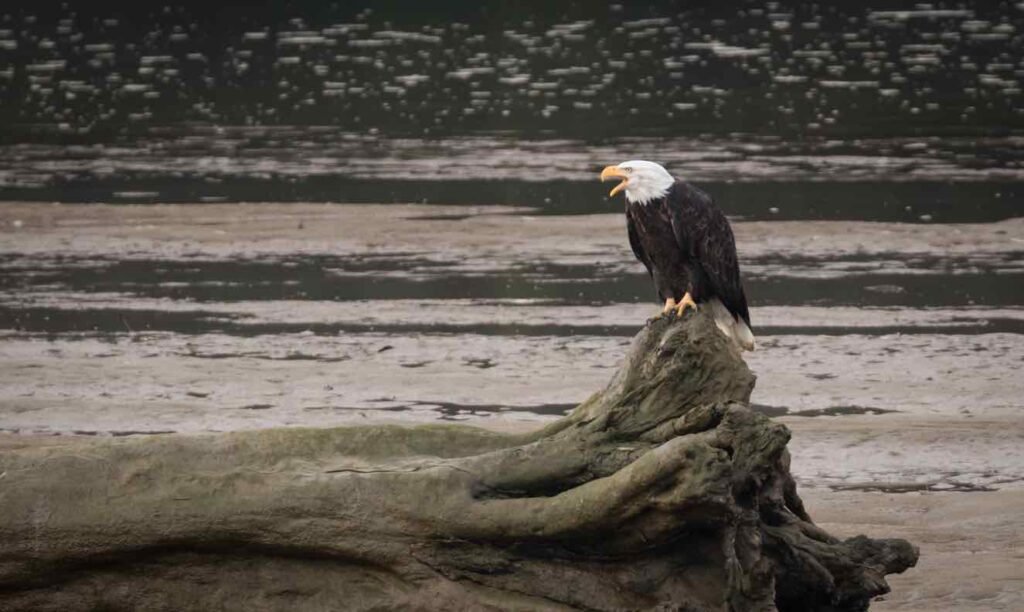
Brackendale & Squamish: Eagle Viewing Near Vancouver
The Squamish River Valley, particularly the area around Brackendale, is internationally recognized as one of the most important winter habitats for bald eagles in North America.
Each winter, eagles gather along the Squamish, Cheakamus, and Mamquam rivers, drawn by salmon that have completed their spawning runs. While the highest concentrations typically occur from mid-December through mid-January, eagle activity often remains strong into late January, making MLK weekend a reliable window for sightings, though daily numbers vary year to year.
Public viewing is focused along the Eagle Run dyke, a flat and accessible trail designed to protect sensitive habitat while offering excellent observation points. Visitors may see eagles perched in riverside trees, feeding along gravel bars, or soaring overhead, often all within a short walk.
To complement ground-level viewing, the Sea to Sky Gondola provides sweeping winter views over Howe Sound and the surrounding mountains. While not a wildlife attraction in itself, the gondola offers valuable perspective on the broader ecosystem that supports the region’s wintering eagles. Additionally, the recently opened Squamish Canyon Walk offers an immersive riverside experience and is particularly compelling during periods of heavy winter rainfall, when the river swells and the canyon landscape becomes especially dynamic.
Harrison Mills & the Fraser Valley: A Major Eagle Corridor
East of Vancouver, Harrison Mills plays a critical role in British Columbia’s winter eagle story. Eagles congregate along the Harrison and Chehalis rivers, where salmon remains provide food well into winter.
The viewing season generally extends from October through late January, placing MLK weekend toward the latter part of peak activity. While numbers fluctuate annually, sightings remain common throughout the Fraser Valley during this period.
The nearby community of Harrison Hot Springs makes an appealing base, allowing visitors to combine wildlife viewing with winter relaxation, an especially attractive pairing during a mid-January escape. Accommodations such as Bramblebank Cottages, located close to key eagle viewing areas, provide a comfortable and well-situated option for travelers seeking a quiet, nature-focused stay during their getaway.
Winter Bird Sanctuaries: Quiet, Accessible, and Remarkably Alive
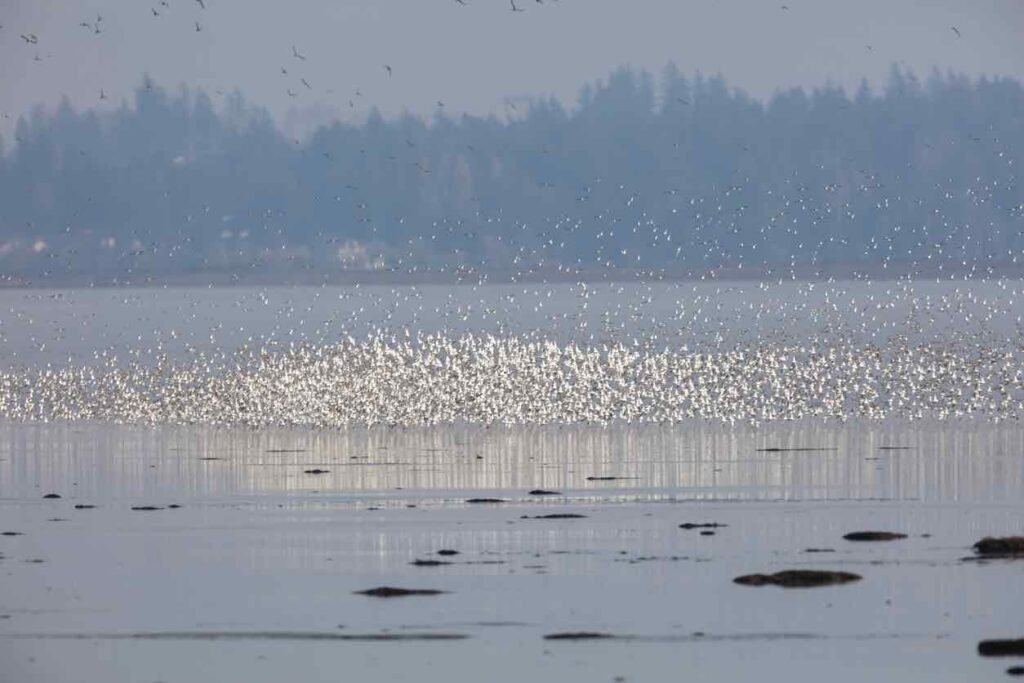
George C. Reifel Migratory Bird Sanctuary
Located less than an hour from downtown Vancouver, the George C. Reifel Migratory Bird Sanctuary offers one of the most rewarding winter wildlife experiences in the Lower Mainland.
January is an excellent time to visit. While overall species diversity is lower than during peak migrations, winter brings high concentrations of waterfowl, including mallards, American wigeon, pintails, and geese. Raptors such as bald eagles and hawks are also regular visitors.
One of Reifel’s most distinctive winter features is its black-capped chickadees, which are accustomed to human presence and, in designated areas, may feed directly from visitors’ hands. It’s a rare, gentle interaction that appeals to families and seasoned birders alike.
The sanctuary’s flat trails, bird blinds, and warming hut make it well suited to winter exploration. Advance reservations are required, and planning ahead is essential for MLK weekend (Reservations open three days ahead and are available up to 8 am of the day in question).
Boundary Bay: Winter Shorebirds & Raptors
In South Delta, Boundary Bay Regional Park protects an internationally significant wetland along the Pacific Flyway. During winter, expansive mudflats and shoreline habitats support thousands of shorebirds and birds of prey.
January visitors may spot dunlin, snow geese, and a range of raptors hunting over open fields and tidal flats. The expansive horizons and dramatic winter light make Boundary Bay especially appealing for photographers and those seeking a quieter wildlife experience close to Vancouver.
The Grey Whale Migration and Coastal Winter Wildlife in British Columbia
By mid-January, the grey whale migration has officially begun, as whales start their long journey north from breeding lagoons in Baja California toward feeding grounds in Alaska. During MLK weekend, sightings are considered early and occasional rather than guaranteed, but coastal observers often begin scanning headlands for the first signs of movement.
For travelers, this moment marks the beginning of a seasonal shift, a subtle but meaningful transition in the Pacific ecosystem. While peak whale watching arrives later in winter and spring, MLK weekend offers the chance to experience the coast at the very start of this annual cycle. Cameron Ocean Adventures based in Ucluelet, offers guided marine tours that provide educational opportunities to observe gray whales and other marine wildlife, with an emphasis on ecological context and conservation awareness.
Urban Nature & Educational Experiences in Vancouver
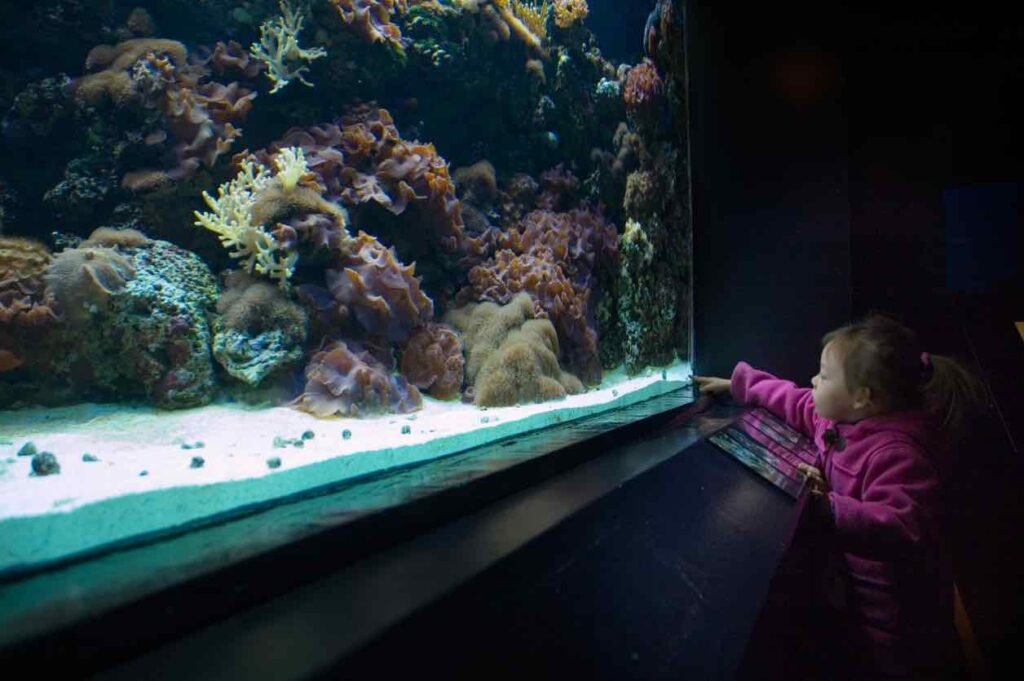
For travelers basing themselves in Vancouver, the city offers several experiences that complement winter wildlife exploration.
The Vancouver Aquarium in Stanley Park provides valuable context for British Columbia’s marine ecosystems, featuring local species such as sea otters, harbor seals, and marine invertebrates. Visiting before or after coastal exploration deepens understanding of the wildlife encountered in the wild.
Nearby, FlyOver Canada offers an immersive aerial experience that showcases the province’s landscapes from above. While not wildlife viewing in a traditional sense, it reinforces the scale and diversity of the ecosystems that support BC’s winter species.
Planning Your MLK Weekend Wildlife Getaway
Best Time of Day:
Morning hours generally offer the most wildlife activity, particularly for eagles and birds of prey. Winter’s shorter days make early starts manageable without feeling rushed.
What to Bring:
- Warm, layered clothing
- Waterproof boots for riverbanks and wetlands
- Binoculars or a camera with zoom
- Gloves and a thermos for extended viewing
Where to Stay:
- Squamish for eagle viewing and mountain scenery
- Bramblebank Cottages in Harrison for wetlands and river access
- Vancouver for easy day trips paired with dining and cultural attractions
Combining outdoor exploration with warm, welcoming accommodations helps create a balanced winter itinerary.
Respecting Wildlife During Winter
Winter is energetically demanding for wildlife, which makes responsible viewing essential.
- Keep a respectful distance and rely on binoculars
- Never feed wildlife unless explicitly permitted
- Stay on designated trails
- Minimize noise and sudden movements
At sites like Brackendale, core eagle habitat is protected during winter months, and designated viewing areas help ensure long-term conservation.
A Thoughtful Way to Spend MLK Weekend
Martin Luther King Jr. Day encourages reflection on interconnectedness, responsibility, and stewardship. Experiencing British Columbia’s winter wildlife offers a powerful, tangible reminder of those values.
From rivers lined with bald eagles to quiet wetlands alive with winter birds, this season reveals the province at its most authentic and elemental. MLK weekend is not just an extra day off, it’s an invitation to slow down, observe, and reconnect.
Pack your layers, bring your binoculars, and step outside. British Columbia’s winter wildlife is already in motion.
Plan your British Columbia adventures → here
Connect With Us
- Website: BritishColumbia.com
- Facebook: @BritishColumbiaDotCom
- Instagram: @britishcolumbiadotcom
- X (Twitter): @visitBCdotcom
- Email: info@britishcolumbia.com